It’s been a while since I shared anything or wrote anything — or worked, for that matter. Three months in fact. There’s been a period of absence from social media and a period of absence more generally. There was a reason for that.
I went through several days of complete and total darkness. I was inconsolable. Anxious. Unresponsive. There were a lot of tears and an enormous amount of shame. Shame about how I was behaving in that moment, shame about decisions I had made in my life and was continuing to make, and even shame about the fact that I couldn’t simply pull myself out of it.
Sorry Mum, if you’re reading, for the language — but it was fucking awful.
What became apparent through the professional support I sought was that there were experiences from much earlier in my life that I had perhaps understood intellectually, but whose impact I had never really stopped to consider.
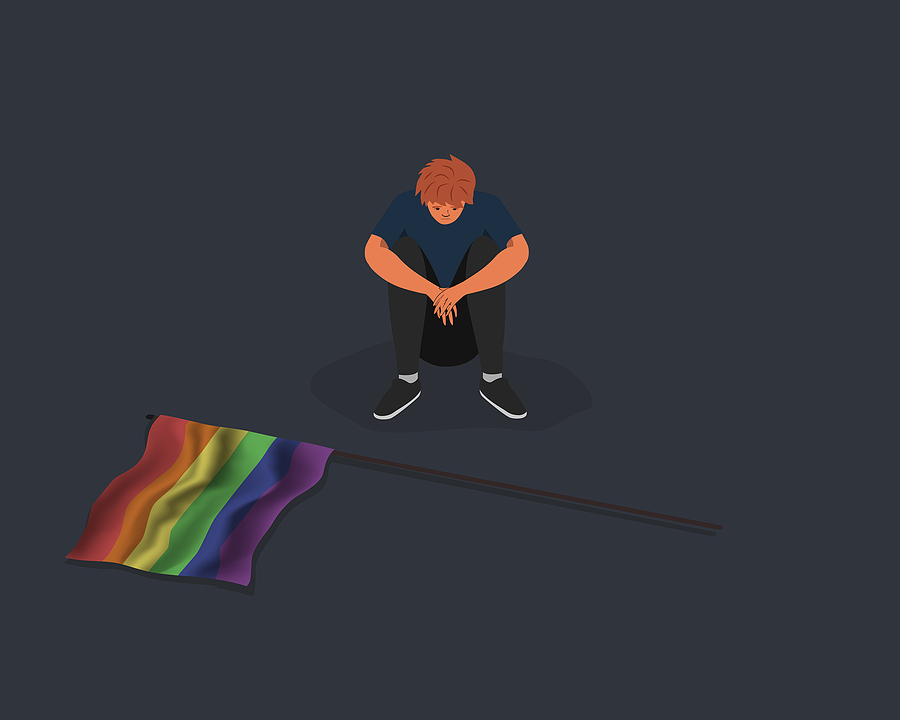
Being chased home from primary school by “friends” trying to rub dog shit in my face because I was different. Being called “girl” repeatedly between the ages of five and ten. Being mocked as a teenager about my developing body. Having my top lifted in front of other people, my excess weight grabbed and ridiculed. Coming out as gay and experiencing rejection, silence and, at other times, the uncomfortable experience of suddenly having one part of me become the thing everybody noticed.
Those are some examples. There are others.
At the time, I did what I knew how to do. I brushed things aside and carried on. I lived my life, made decisions, changed jobs, moved countries, built relationships and generally kept moving forward without necessarily understanding what some of those experiences might have left behind.
There is something rather compelling about the idea that if we keep moving, everything else will eventually catch up.
Sometimes it doesn’t.
I didn’t need another coaching question
I was already in therapy because I knew something hadn’t been sitting well for some time. During this particularly difficult period, I also sought psychiatric support.
That distinction feels important to me, particularly because I am a coach.
There is an understandable temptation within coaching to talk about the extraordinary power of a good question, increased awareness, changing perspectives and our capacity to create movement in our lives. I believe deeply in coaching — I wouldn’t have made it such a significant part of my professional life otherwise.
But coaching isn’t the answer to everything.
And sometimes recognising that is more important than asking another question.
The support I needed at that moment was not somebody encouraging me to establish a goal, explore another perspective or identify what I wanted to do next. I needed appropriately qualified therapeutic and medical professionals who could work with what I was experiencing.
Knowing where coaching ends matters just as much as knowing what coaching can do.
So where did coaching fit?
Coaching was still part of the story, just not in the way I might once have described it.
Training as a coach meant spending a considerable amount of time paying attention — to other people, certainly, but increasingly to myself. To become a coach you coach, you are coached, you receive feedback and, as your practice develops, supervision gives you another place to examine what you are bringing into the work.
Those spaces had helped me notice things.
Not explain them. Not diagnose them. And certainly not treat them.
Notice them.
I became increasingly aware that there were places where I felt blocked, responses I didn’t entirely understand and patterns that remained difficult to see clearly from the inside. Coaching gave me space to notice that something was there. Eventually, I became aware that what I was noticing needed a different kind of space.
So I sought therapy.
There is something important in that for me now. The boundaries between coaching, supervision, therapy and other forms of professional support aren’t an inconvenience to be overcome. They are part of working responsibly with another human being.
A coach does not need to be able to work with everything a client brings.
Sometimes the most useful thing we can recognise is that this belongs somewhere else.
There isn’t a neat ending to this story
I could finish this article by telling you that the experience made me stronger, unlocked something in me or propelled me towards a brighter future.
Life is rarely quite that obliging.
What happened has shaped me. It has influenced how I understand myself and undoubtedly influenced the practitioner I have become. It has also made me considerably more interested in what we carry into our work without necessarily knowing that we are carrying it.
That curiosity is one of the reasons supervision has become such an important part of my own practice.
Not because everything we experience needs to be analysed. And not because every response has a hidden explanation waiting to be uncovered.
Sometimes noticing is enough.
Sometimes we need somewhere to think.
And sometimes what we notice tells us that thinking about it with a coach isn’t what we need at all.
There is wisdom in knowing the difference.
